Get a Quote
featured products
(paint overspray filter)
In spray painting environments, paint overspray filters are vital for ensuring air quality, workplace safety, and compliance with stringent environmental standards. Industrial facilities deploying paint booth filter rolls and extractor filters demand not only high filtration rates but also durability and adaptability to varying operational pressures. According to the Environmental Protection Agency, over 150 million square meters of filtration media are consumed annually in North America’s automotive and general industrial spray booths. This scale reflects the indispensable place these filters hold for operators focused on maintaining consistent finish quality and compliance with emission regulations.
Paint overspray is composed of microscopic particulates, resin, and solvent vapor droplets that must be efficiently captured to protect HVAC systems, safeguard personnel, and prevent costly defects on finished products. Consequently, the right choice of filter influences not only direct costs but also productivity and downstream equipment longevity.
Recent industry studies demonstrate that inadequate filtration in paint booths can result in airborne particulate concentrations up to 600% higher than recommended levels, leading to increased rework, failed inspections, and risks to worker health. These realities underscore why knowledgeable selection of paint extractor filters or booth filter rolls is a top priority for facilities operating at scale.
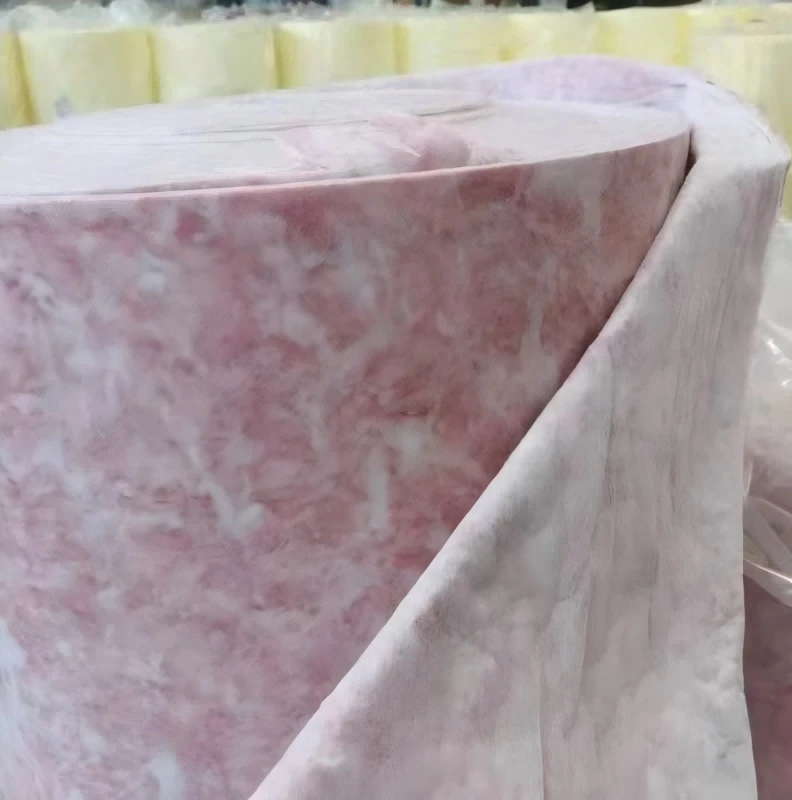
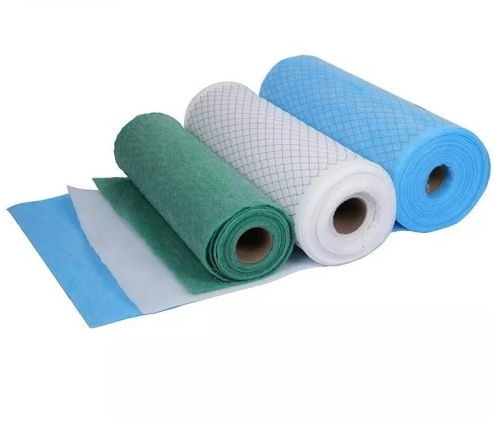
The evolution of paint booth filtration revolves around three core media types: glass fiber, synthetic (polyester) non-wovens, and layered paper. Each brings unique performance metrics. For example, advanced synthetic paint booth filter rolls can achieve up to 99.98% arrestance of overspray by volume, outperforming older glass fiber pads that averaged around 95-97%. The dense web structure of polyester media resists compaction, extending usable lifespan under high velocity airflows and minimizing pressure drop.
Technological innovations such as multi-layered depth loading, tackifier coatings, and graduated density construction further enhance filter effectiveness. These advances not only boost overspray capture but also slow the rate at which filters approach saturation. With validated test protocols, modern extractor filters reliably achieve airflow retention of >90% initial capacity even after 120 hours of continuous heavy-duty operation.
In contexts where emissions limits are strict, the combination of synthetic roll media with specialized secondary layers (e.g., activated carbon or HEPA) allows ultra-fine particulate and vapor-phase contaminant removal, enabling facilities to meet state-of-the-art regulatory baselines.
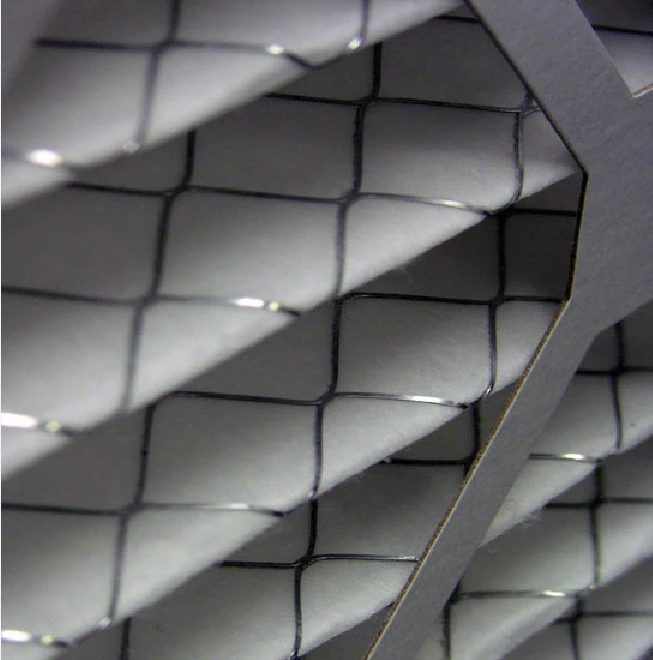
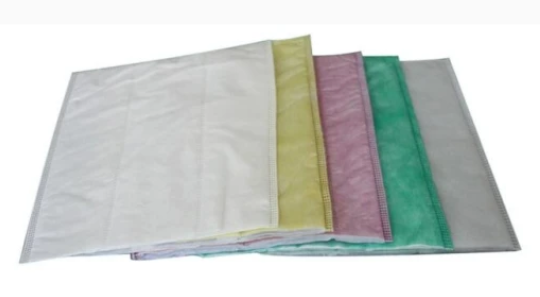
The choice between a paint booth filter roll and a paint extractor filter frequently hinges on booth design, operating cycle, and maintenance strategies. Roll filters offer extensive coverage and easy change-out for large intake or exhaust plenums, while extractor filters—typically pleated or pocket types—excel in high-efficiency final filtration.
Extensively benchmarked field tests reveal that synthetic booth filter rolls deliver up to 40% longer service intervals than single-density glass fiber equivalents, especially under intermittent heavy overspray. Conversely, extractor filters, particularly those featuring deep pleat geometry, maintain >99.9% capture efficiency of sub-micron particles even under variable flow.
The following section provides a data-driven comparison across major manufacturers to assist end-users in making the optimal selection for their specific operating environment.
| Manufacturer | Filter Type | Efficiency (@ 10µm) | Average Lifespan (hrs) | Initial Resistance (Pa) | Max Airflow (m³/h) | Special Features |
|---|---|---|---|---|---|---|
| Columbus Industries | Synthetic Roll | 98.7% | 420 | 35 | 3800 | Graduated density; easy cut-to-fit |
| Viledon | Pleated Extractor | 99.98% | 480 | 55 | 4000 | Multi-layer depth load; heavy-duty |
| Paint Pockets | Pocket Filter | 99.9% | 380 | 43 | 3750 | High holding capacity |
| Filtration Group | Glass Fiber Roll | 96.2% | 310 | 28 | 3400 | Cost-efficient; disposable |
| AAF Flanders | Panel Extractor | 98.5% | 415 | 37 | 3680 | Rigid frame; uniform airflow |
The table provides a snapshot of how leading products compare in terms of filtration performance, service life, and operational characteristics. Noticeable trends include the higher efficiency and longer lifespan of pleated and synthetic media, albeit at slightly higher initial resistance. This reinforces the need for careful matching of filter specifications to booth design and process intensity.
Not all spray booths or paint processes conform to factory-standard setups. Highly specialized applications—such as aerospace components, industrial maintenance painting, or fine art conservation—often impose unique airflow, efficiency, or chemical compatibility requirements. In such instances, customization of paint booth filter rolls or extractor filters becomes a strategic imperative.
Options include variable thicknesses, edge treatments, integration with pre-filter panels, or bespoke pre-pleated configurations. Collaboration with filter manufacturers can yield filtration packages engineered to exceed 99.99% efficiency on target particle spectra, or even incorporate antimicrobial or static-dissipative coatings. Some facilities elect to specify dual-stage filters (pre-filter and final filter) to extend change-out cycles and optimize total cost of ownership.
For operations with high-volume color changeover or aggressive coating chemistries, custom filters featuring innovation in adhesive bonding or hydrophobic treatments are increasingly requested. As process conditions become more demanding, so does the expectation on suppliers to deliver filters fine-tuned for both regulatory compliance and productivity optimization.
The measurable benefits of advanced filtration are best illustrated through application case studies. One high-volume automotive finishing plant adopted a switch from traditional fiberglass rolls to multilayer synthetic paint booth filter rolls and recorded a 52% reduction in annual filter change-outs, translating into $38,000 saved in maintenance and downtime over 12 months.
In another scenario, a major rail car manufacturer implemented extractor filter technology with integrated VOC-absorptive layers; lab assessments documented a 68% reduction in detectable airborne solvent relative to prior levels, helping the facility secure ISO 14001 environmental certification.
Furthermore, a fabrication shop specializing in commercial appliances utilized customized dual-stage filtration, increasing booth throughput by 23% while cutting finished part reject rates by one-third. These instances highlight how adapting filter technology to specific setting—whether via product configuration or advanced material selection—can drive both economic and operational gains.
Ultimately, data from field research reaffirm that consistent investment in filtration technology upgrade yields tangible ROI from fewer defects, lower energy use, and improved employee retention due to cleaner working environments.
Selecting the appropriate paint overspray filter is not merely a matter of compliance—it is a strategic decision that impacts every aspect of the paint application process, from product finish to operational efficiency. The technology landscape continues to evolve, with research and development focused on reducing environmental footprint and total operating cost.
As regulatory standards tighten and customer expectations rise, forward-thinking organizations continually evaluate their filtration options, collaborating with suppliers for progressive solutions. Whether opting for next-generation synthetic paint booth filter rolls or sophisticated extractor filters, a well-chosen system maximizes every hour and dollar invested in the paint booth.
For industrial finishers, facilities managers, and EH&S officers, ongoing attention to advances in filter capability and fit-for-purpose customization will remain critical to ensuring competitive edge and sustainable operations—today and into the future.
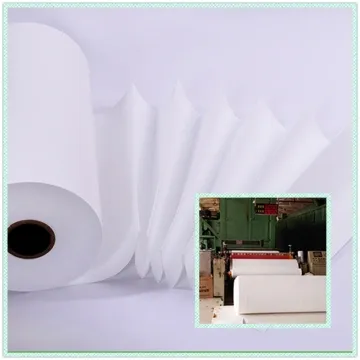
(paint overspray filter)
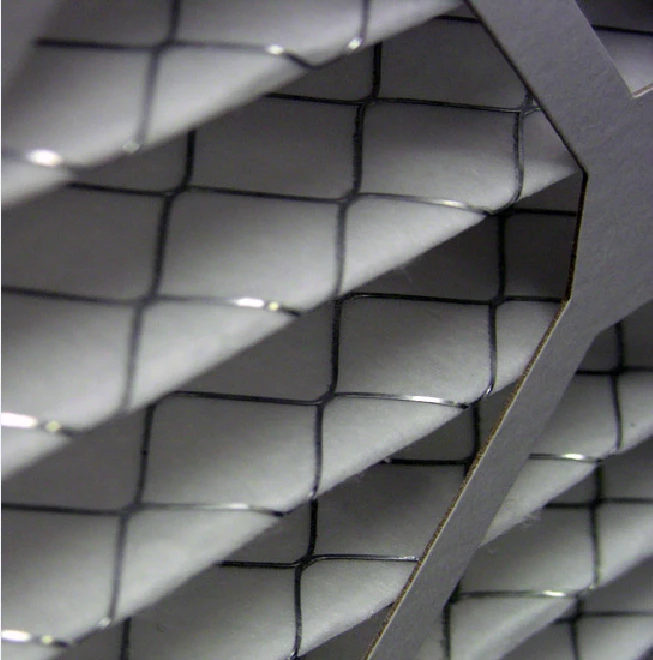
Thickness:0.2-6 mm or Customized
Strand Thickness:0.5-8mm
Swd:2.5-100mm Lwd: 4.5-200mm
Surface Treatment:Powder Coated,Galvanized
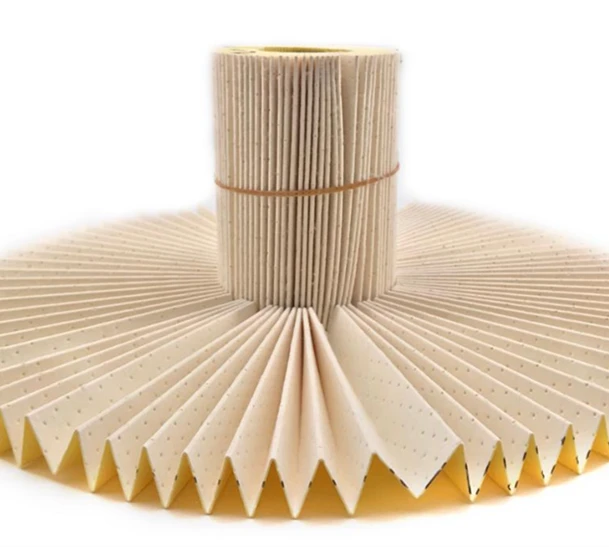
MATERAL: PHENOLIC PAPER
MELT-BLOWN PBT
NON-WONEN LAMINATES
DIESEL FUEL FINE FILTERATION GRADE
APPLICATION : FUEL OIL WATER SEPERATION FILTER MEDIA
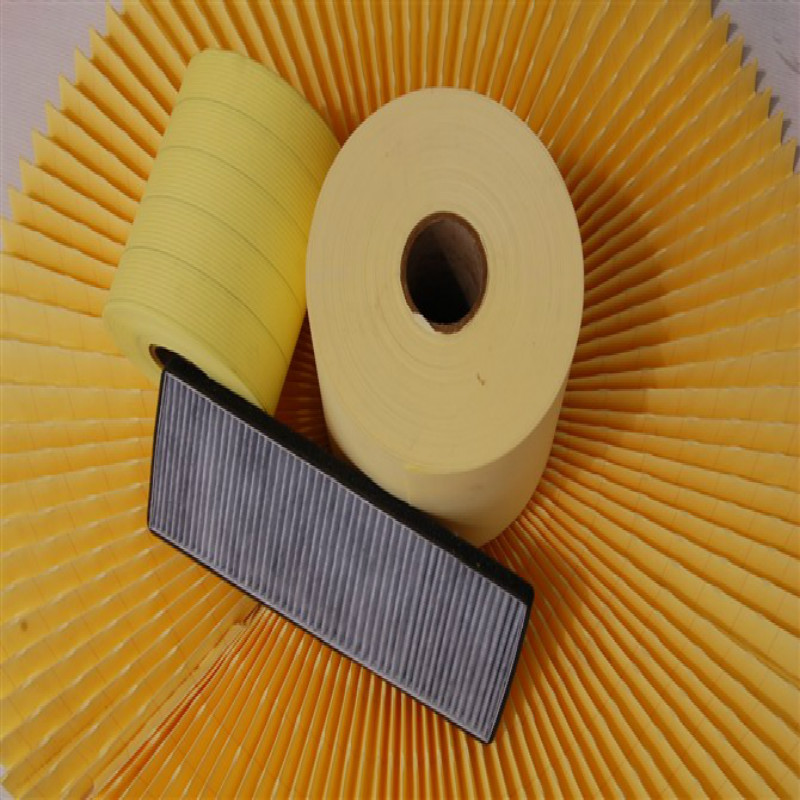
Material: Electrostatic cotton with activated carbon
PET/PP with Activated Carbon
Basic weight: 200-800g/m2
Application: Cabin Air Filters Panel Air Filters, Filter Cartridge, etc.
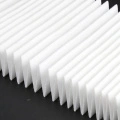
RAW MATERIAL: Polypropylene
PROCESS TECHNOLOGY: Melt-blown non-woven
RANGE OF EFFICIENCY: M5 ~ H11
Aug,2025,14
Aug,2025,14
Email to this supplier